Behind the Lens: A Day in the Life of a Dubai Food Photographer.
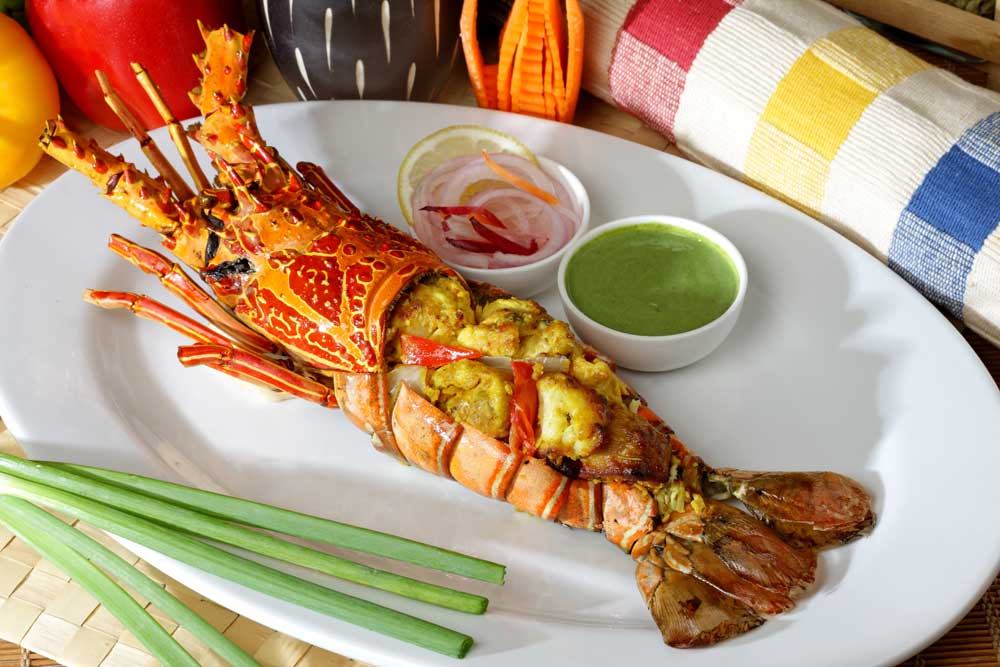
Dubai is known worldwide for its luxurious lifestyle and top-notch cuisine. However, capturing the essence of the city's culinary scene is not an easy task.
It
takes a skilled photographer who understands not only the technical aspects of
photography but also the art and science of food.
In this
post, we will take you behind the lens and show you what a day in the life of a
Dubai food photographer is really like.
From
the early morning preparations to the final edits, we will give you a complete
insight into the world of food photography in one of the world's most vibrant
cities.
Get
ready to be inspired and amazed by the creativity and passion of a Dubai food
photographer.
1. What
is food photography?
Food
photography is a specialized type of photography that focuses on capturing the
beauty and appeal of food. The goal is to make the food look as appetizing and
appealing as possible, so that viewers are inspired to try it for themselves.
Capturing the perfect shot of food requires a unique set of skills and techniques. A good food photographer must have a great eye for detail, dubai food photographer excellent lighting skills, and the ability to create a visually stunning composition.
They
must also have a deep understanding of food styling, food presentation, and the
latest food trends.
The
photographer must work closely with the chef or food stylist, to ensure that
the food is presented in a way that is both visually appealing and true to its
taste. Food photography is essential for restaurants, food bloggers, and food
magazines.
A great
food photograph can make all the difference in attracting customers and
creating a buzz around a new dish. It is an art form that requires patience,
creativity, and a passion for food.
2.
Preparing for a food photoshoot in Duba
Preparing
for a food photoshoot in Dubai can be a challenging yet exciting experience for
a food photographer. The first step in preparing for a photoshoot is to
communicate with the client and understand their vision for the shoot.
This
includes understanding the type of cuisine, the ambiance of the restaurant, and
the overall feel they want to convey through the photos.
Once
this is clear, the photographer can scout the location and see what kind of
lighting and backdrop will be needed to capture the perfect shot. In Dubai,
natural light can be a photographer's best friend, especially during early
morning or late afternoon hours when the light is softer and warmer.
However,
since Dubai is known for being quite hot and sunny, it's essential to have some
backup lighting equipment in case the natural light is too harsh or
insufficient. It's also important to take into consideration the colors and
textures of the food being photographed.
Using
props and backdrops that complement the food can help create a cohesive and
visually pleasing image. Another important aspect of preparing for a food
photoshoot in Dubai is ensuring that the food is fresh and ready to be
photographed.
This
may involve coordinating with the restaurant's kitchen staff to ensure that the
dishes are prepared and presented in a timely and visually appealing manner.
Additionally,
the photographer should take care to set up their equipment in a way that does
not disrupt the restaurant's operations or disturb other patrons.
Overall,
preparing for a food photoshoot in Dubai requires careful planning,
communication, and attention to detail.
With
the right approach, a food photographer can capture stunning images that
showcase the beauty and vibrancy of Dubai's diverse culinary scene.
3. The
photoshoot: capturing the perfect shot
When it
comes to food photography, capturing the perfect shot can be a real challenge.
As a Dubai food photographer, every photoshoot is unique, and I need to be
creative and adaptable to ensure that I get the best results.
Firstly,
I need to understand the vision that the client has for the photoshoot. This
means that I need to have a clear idea of the style, format, and aesthetic they
are looking for.
Once I
have a good understanding of what the client wants, I will begin working on the
composition of the shot. This includes the angle, the lighting, and the
background.
I
always try to use natural light where possible, as this can have a huge impact
on the final image. I also pay attention to the details of the food itself. I
work closely with the food stylist to ensure that the food is presented in the
best possible way.
This
may mean adjusting the positioning of the ingredients or adding finishing
touches to the dish. During the photoshoot, I take multiple shots of each dish
from different angles and with different lighting.
This
enables me to choose the best shot when it comes to post-production. Sometimes,
I will also use props to add interest to the shot and create a story around the
food.
Overall,
the key to capturing the perfect food shot is to be creative, patient, and
adaptable. It takes time and effort to get the perfect shot, but when you do,
the results are stunning.
4.
Post-production: editing and finalizing the images
After a
long day of shooting, the real work of a food photographer begins -
post-production.
This
step involves going through all the images taken during the shoot and selecting
the best shots. Once the best images have been selected, editing begins.
This
can include adjusting the brightness, contrast, and colors of the images to
give them a desired look.
The
goal is to make the food look as delicious and appetizing as possible. Next,
the images are cropped and resized to fit the client's specifications. If there
are any imperfections or flaws in the images, they are removed during this
stage.
The
photographer may also add some finishing touches, such as sharpening or adding
a filter to enhance the overall appearance of the image.
The
final step is to present the images to the client for approval. If the client
is satisfied with the images, they are ready for use in marketing materials,
menus, and other promotional content.
The
images represent the hard work and dedication of the photographer, who has spent
hours perfecting the images to showcase the food at its best. In the world of
food photography, post-production is just as important as the actual shooting
process.
It is
the final step in the creative process, and it is what truly brings the images
to life. Without the skill and expertise of a talented food photographer, the
mouth-watering images that we see in advertisements and menus would not be
possible.

Comments
Post a Comment